Categories
Tags
-
#Binocular Laser Rangefinders
#red dot sight
#Three Types of Night Vision Devices
#Red Dot with Iron Sights
#Types of Night Vision Scopes
#Wi-Fi Trail Camera
#Night Vision Binoculars
#Trail Cameras
#SVD Rifle Scopes
#Binoculars
#Rifle Night Vision Scopes
#Laser Rifle Scope
#Lightweight Binoculars
#Binoculars for Birdwatching
#Roof Binoculars
#Scope Mounting Tips for Long Range Accuracy
#Red Dot Sights
#Custom Marking Needles for All Your Industrial Needs
#Golf Binoculars with Laser Rangefinder
#Spotting Scope
#Close-Focus Binoculars
#Day Night Vision Rifle Scopes
#Deer Rifle Scopes
#Rifle Scope Supplier
#Compact Binoculars
#Wholesale Trail Cameras
#Rifle Scope Manufacturers
#Red Dot Sights Made in China
#Porro Binoculars vs Roof Prism Binoculars
#Rangefinder Binoculars
#Binoculars Made in China
#Cummins Cylinder Head
#Rangefinder Binoculars with Night Vision
#Waterproof and Shockproof Red Dot Sight for Shotgun Hunting
#Red Dot Scope
#Reflex Red Dot Sights
#Types of Scopes
#Tube Red Dot Sights
#Durable Tube Red Dot Sight for Hunting
#Red Dot Sight Parallax
#10x42 Porro Prism Binoculars
#Laser Rangefinder Rifle Scopes
#Red Dot Magnifier
Archives
Closed Emitter Red Dot Sights: Why They Are Dominating the Mode
-
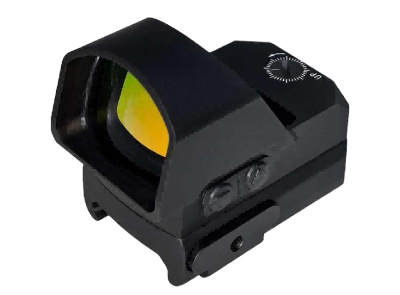
Closed Emitter Red Dot Sights: Why They Are Dominating the Modern Optics Market
The optics industry is experiencing a major shift. What was once dominated by open emitter micro red dots is now rapidly transitioning toward closed emitter designs. Manufacturers, influencers, reviewers, and tactical trainers all highlight closed emitter models as the new standard for dependable shooting optics.
This article examines the market forces driving their rise, and why closed emitter red dot sights are becoming the future of red dot technology.
1. Consumer Expectations Have Changed
Today’s shooters expect their equipment to work in:
l Rain
l Mud
l Dust
l Extreme heat and cold
l Low-visibility environments
This demand has pushed optics companies to design sights that simply do not fail. Closed emitter sights answer that call.
Shooters no longer accept red dots that stop working due to:
l Rain drops
l Dirt in the emitter
l Smudges on the open window
Reliability has become a top purchasing factor—and closed emitter sights deliver it.
2. Law Enforcement & Military Adoption Influences the Civilian Market
When major police departments or special forces units switch to a certain type of gear, the civilian market follows. Agencies are now favoring closed emitter optics because:
l Duty pistols need maximum reliability
l Outdoor ops expose optics to harsh elements
l Weapon-mounted lights create glare conditions
Once military and law enforcement adoption trends became public, civilian shooters began demanding the same level of durability.
3. Influence of Competitive Shooters and Content Creators
In the age of YouTube and Instagram, competitive shooters and tactical trainers heavily influence gear trends. Many of them have publicly endorsed closed emitter designs after years of testing.
Their message is consistent:
l Closed emitter optics hold zero better
l They survive impacts and drops
l They work regardless of shooting angle
l They stay cleaner in long training sessions
This has dramatically increased public awareness and adoption.
4. Technological Advances Made Closed Emitters Lighter and Smaller
Old closed emitter sights were bulky and heavy. But recent advances in:
l Micro LED technology
l Lens coatings
l CNC machining
l Miniaturized circuitry
l Battery efficiency
have allowed manufacturers to create compact, lightweight, and aesthetically pleasing closed emitter models—perfect for modern handguns and rifles.
As technology improves, closed emitter sights have become more affordable as well, expanding their appeal.
5. Long-Term Value Drives Purchasing Decisions
While closed emitter optics may cost slightly more upfront, they:
l Last longer
l Require fewer repairs
l Maintain performance in more conditions
Consumers see them as a smarter long-term investment. This has made closed emitter red dots a preferred choice for shooters who only want to buy once.
Conclusion
From evolving consumer expectations to advances in manufacturing and high-profile endorsements, every major market trend points toward closed emitter red dot sights becoming the new industry standard. Their durability, reliability, and all-weather performance make them the future of practical optics for both professionals and civilian shooters.